
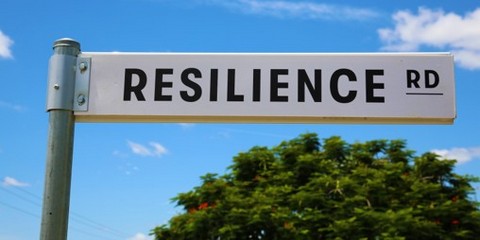
Building Resilience in the Suburbs
In May this year (2026) as part of the Permaculture Sydney West (PSW) meeting, I delivered a presentation entitled ‘Building Resilience in the ‘Burbs. There was (and still is) considerable uncertainty in the world and my thoughts were focussed by the closing of the Strait of Hormuz. I was concerned about the possible impacts it could have on my fellow members of PSW and myself, but also, what were some things we could do to reduce those impacts.
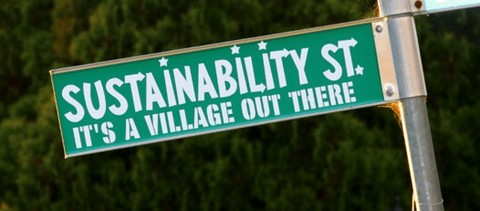
I subtitled my presentation ‘A Walk Down Resilience Road’, having been involved in introducing the concept of becoming a ‘Sustainability Street’ to where I live many years ago. There are a lot of crossovers between being more sustainable and being more resilient, win win! I also liked a quote from Sam in the Happen Films YouTube video called ‘Degrowth in the Suburbs’, he says: ““It’s interesting how much overlap there is between the practices of Sustainability and the practices of resilience, in this context almost 100% overlap”. The context he mentions being growing food at home.
It seems that somebody else came up with the idea of Resilience Road, because I found this pic that had been put together and I liked the sound of it!
But, What is Resilience?
I always like to start out with some understanding of what the terms I am using means, just so I don’t drift off course. So, some definitions –
"The capacity to recover quickly from difficulties; toughness." (Dr Google)
“Resilience refers to the ability of a system, from individual people to whole economies, to hold together and maintain their ability to function in the face of shocks from the outside” – Rob Hopkins (from The Transition Handbook).
“being able to take a hit and still keep going” – Me
I like to keep things simple, but I guess the discussion then moves onto what I mean by the term ‘hits’.
What are the ‘Hits’?
The ‘hits’ or ‘bad things that can happen to us’ can be summarised as occurring in three fields – personal, local and big picture - although these fields are not mutually exclusive, hits can come at us from a number of fields at once, but hopefully we only have to deal with one hit at a time!
Personal: These ae the sorts of things that impact mainly us and/or our family and include things like job loss, health issues, financial strain, car accident or personal trauma.
Local: As well as impacting ourselves they also impact our friends, relatives, neighbours and others in our community, they include severe storms, flash flooding, bushfires, earthquakes, disruptions to utilities such as power, water, sewerage etc.
Big picture: – This is the big stuff, that can a severe impact on all of us when they occur and include global heating, wars, strikes, pandemic, oil shocks and supply chain interruptions.
So, What Can We Do?
In thinking about this I came up with five strategies to help us reduce the impact of these hits on our lives. It is quite possible that you already have a number of these strategies in place, so for me the idea is for you to do a bit of planning, preferably with the family, to identify which group or individual strategies that you want to put into place right now, and then start work! Sometimes it is easier said than done, I know, depending on you and your families’ circumstances but there is a lot we can’t control in this world but by carrying out some actions, it can make us feel better about where we are going with things!
The Five Strategies and any Associated Sub-strategies
- Food: grow it, store it, cook it, don’t waste it.
- Water: Catch it, store it, clean it, don’t waste it.
- Energy: Save it, produce it, don’t waste it.
- Community: Encourage it
- Skills: Learn them
Life is in the Details*
Following is a bit more detail on how you can implement these strategies wherever you are, but it is a bit beyond the scope of a single article to provide all the information you will need, so links to other articles and eBooks on this site are included below each section. These will allow you to take a bit deeper dive into each strategy, when you have the time and energy!
Food
Grow it
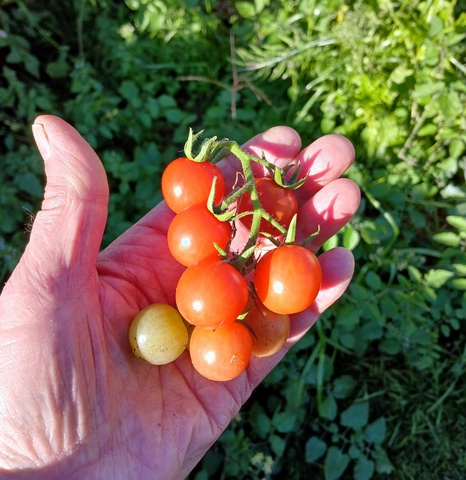
It is possible to grow something outside where you live, whether it is a balcony, suburban block or 5 acres. It is easy to start growing food, fruit, vegetables or herbs with whatever you have, but to make the most out of your growing area can be a bit technical. If you don’t have any outdoor area to grow food, there are techniques that allow you to grow indoors (inside Zone Zero as it is termed in permaculture). One such technique is sprouting seeds which is cheap, easy to set up and can be remarkably productive!
eBooks: Growing a Cost of Living Victory Garden, Growing Shoots, Sprouts and Microgreens, Growing Food Indoors (Zone Zero)
Store it
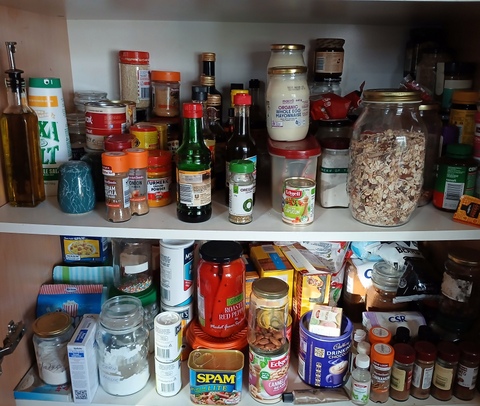
While it may only be possible for you to eat from pay check to pay check, with even a small amount of cash it is possible over time to build up a buffer of foods that you regularly eat to give you options if things go bad. In general terms, the process of how you go about storing away some food is conduct an Initial audit (pantry, fridge, freezer), to know what you have and what you buy, discuss what you are doing with the family. Consider some strategies like copy buying, bulk buying, store what you eat, eat what you store, rotate your food stocks (First In First Out), date everything! Then put your plan in place, review it regularly and practice! (eg No-Buy July)
eBooks: Food Storage and Resilience, DIY No-Buy July, DIY Pantry Staples
Cook it
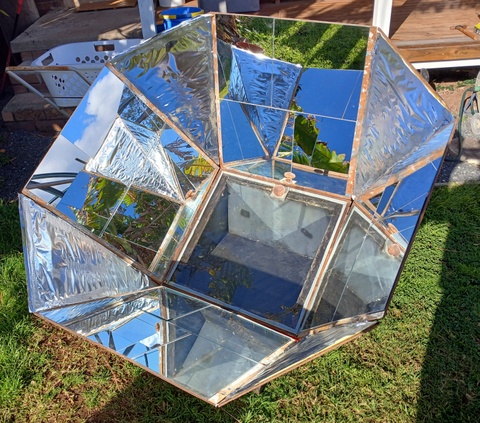
This one also impacts the ‘energy’ strategy because we use energy to cook our food. The idea of this sub-strategy is to think about how we can cook our food if the power goes out or some other issue with the supply chain causes problems. It is about using energy efficient means to cook such as a pressure cooker or a wok, or using the sun with a homemade or bought solar cooker, or using stored heat to cook food with a hay box or a ‘Wonderbag’ or even with sticks from your own yard using a rocket stove. Being able to provide a cooked meal for the family is important, so building some redundancy into your cooking methods makes you more resilient.
eBooks: Sustainable Cooking,
Don’t Waste it
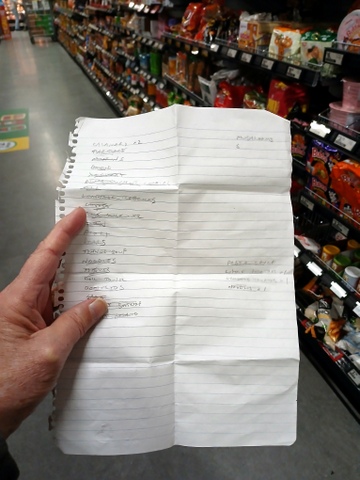
There really is no downside to reducing our food waste. Using some of the following techniques means we can make the most out of the food we grow or buy, saving us nutrients and money. By preventing food waste going to landfill, we can reduce greenhouse gas production and prevent unnecessarily filling up our finite landfill areas. Some things to think about include meal planning, doing your shopping with a list, Controlling portion size, loving your leftovers, storing food properly, understanding food labelling and composting or feeding it to chooks or rabbits if it does occur.
eBook: Managing Your Household Waste
Water
eBooks: Managing Your Water, Low Cost, High Efficiency Irrigation
Catch it and Store it
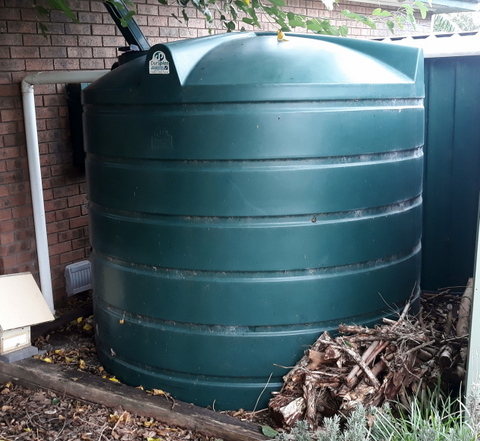
If you have access to the rainwater coming off your roof, that is a great thing! It may be a house roof, garage roof, shed roof or whatever, it is almost always possible to install a gutter and downpipe to catch and direct it into a storage vessel of some kind, and any water storage is better than none. If you can manage a purpose build water storage tank, that is a good thing, but if you don’t have the cash or space, you can start out small. Catching water in a 200 litre drum, wheelie bin, 500 litre water tank or 1000 litre IBC, will provide you with a backup water supply without costing an arm or a leg or taking up a huge amount of space.
Clean it
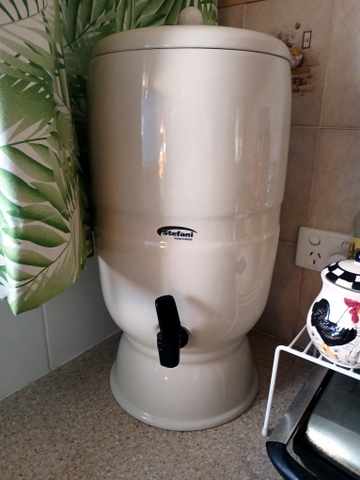
While tank water has been the water supply for people in the bush for a long time, here in the suburbs we are used to town water and can trust it more than the stuff that comes out of the sky. There may be some basis for that with the greater opportunity for air pollution in suburban areas to contaminate rainwater or the bird poop on the roof washing into it. If that is the case with you it might be worth investing in some form of water purification, from a multi-stage, whole house filtration and UV treatment set up, down to a countertop gravity water filter. You need to be able to consume your stored water worry-free when you need it.
Article: Purifying Water
Don’t Waste it
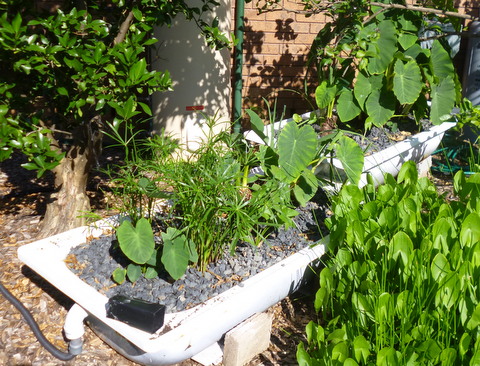
If you must rely on your own home-stored water supply for any length of time, being able to do so efficiently will be very important and if you are already doing it with your reticulated water supply, being pre-adapted will make things so much easier. Also, you will be saving on your water bill now! Things you can do include: Fixing any leaks, keep showers under 4 minutes, if it’s yellow, let it mellow….., use the half flush (if available), run full loads of dishes and laundry, install low-flow tap aerators, use a broom instead of a hose for cleaning outdoors, turn off the tap while brushing teeth, washing hands, or shaving and reuse greywater for flushing toilets or watering plants.
Energy
Save it
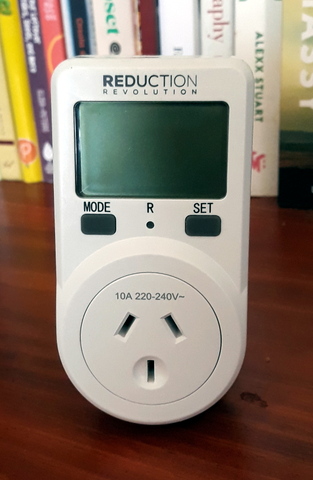
Energy costs are rising so working on reducing the energy we consume not only saves us money, but it also reduces the load on the power supply. If you intend to install a solar system to power your household at some stage, you will need to produce less electricity for the system to work for you. The first step is to do an audit on energy usage, check it against energy consumption on the bill to make sure everything has been considered, starting with behaviour, put together a plan to reduce energy usage. The plan can include insulation and other barriers to heat to keep the place cool, keeping warm by layering clothing or using a heated throw rather than turning on the heater, cooking efficiently (see ‘food – cooking it’ above).
eBooks: Managing Your Energy, Coping with Heat (and Cool)
Generate it
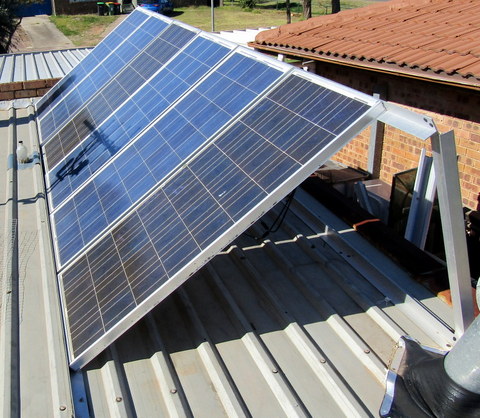
There are lots of solar setups for sale out there, with or without batteries, and for improved resilience any solar setup you get should have some form of battery attached, because any battery free system will shut down during a blackout to prevent line workers being electrocuted! Having said that, if you can’t afford a solar array, don’t have the space or are a renter there is a large amount of independently powered items of solar gear out there. Such gear includes lights, radios, phone chargers, fans, showers or even independent panels and batteries that can go with you if you need to move.
eBook: Alternative Power Systems - Our Experience
Don’t Waste it
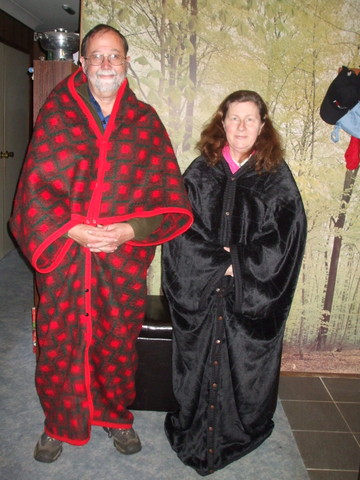
In addition to ‘Save it’ above, other miscellaneous techniques to reduce your energy usage include heating yourself, not the room taking shorter showers (less water, less energy), use cold water in the laundry, turn off lights and appliances (at the wall) when not in use, turn the aircon up in summer, down in winter, dry clothes naturally, Keep the freezer full, the fridge empty and only boil the amount you need for hot drinks.
Community
Encourage it
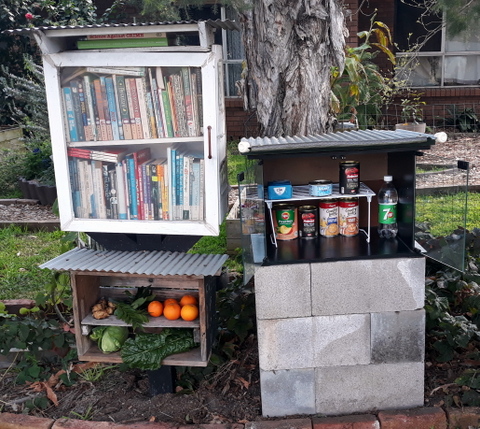
Unfortunately, these days it is possible to live in the suburbs and not know anything about your neighbours, even those next door. We go about our separate lives, we go to work, come home, go inside our houses and watch TV without having to relate with our neighbours at all. I think what happened with Covid made things even worse. We don’t have to stay like that however; we can all work towards reforging bonds with our neighbours and that encourages real resilience! Some ideas include: talk to your neighbours (I know, right!), join a permaculture, organic growing, seed saving or other locally based resilience encouraging group, or if one does not exist, start your own. start a local food coop, join local a CSA (Community Supported Agriculture) or community garden, attend your local library, organise a street party.
eBooks: Cultivating Community, St Clair Sustainability Group, Starting and Running a Permaculture Group
Skills
Learn them – How?
There are lots of ways we can learn skills these days. YouTube should be regarded as an amazing resource to learn all sorts of things from a multitude of teachers. Again, check out your local permaculture group if you have one, they may offer ‘living skills’ courses on permaculture-based resilience topics or blitzes in your local area where you get to work with other members and pick up skills while helping out. Check with your local council to see if the offer talks on sustainable/ resilience related topics. Quite a number of councils in the Sydney basin do, I know because I did presentations for half a dozen or more councils locally over the years. Don’t forget your friends and relatives too, they may have teachable skills that you can benefit from.
What?
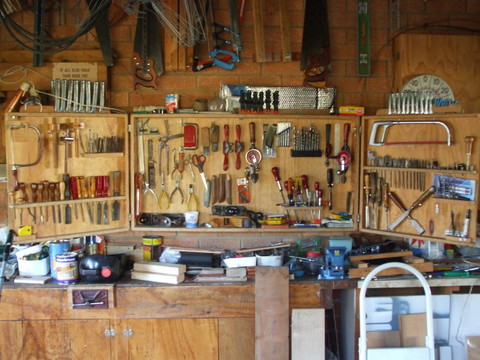
The skills that you can learn to assist you in your journey towards being more resilience are endless, but some topics you may wish to consider are: first aid, growing your own food, seed saving, how to use tools, household repair and maintenance, food preserving, sewing and clothing repair, low energy cooking, saving water, making pantry staples from scratch and saving energy, and keeping chooks.
eBooks: The Sustainable Workshop (setting up your own worksop to help with repairs and maintenance), Consumate Clothing (Care and repair for your clothes), Seed Saving and Growing veg from seed, Making Pantry Staples from Scratch, Keeping Chooks in the 'Burbs
*Quote from Jacqueline Woods