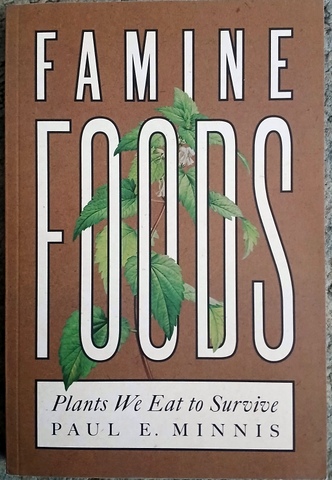
A short while back (late ’24) I read a book called “Famine Foods: Plants we Eat to Survive” by Paul E. Minnis. The book discusses types of food shortages, how famine foods are used, the characteristics and types of famine foods. It then looks at various societies that have examples of famine food use including non-agricultural societies (eg circumpolar groups), villages and rural farming communities (eg highland Papua New Guinea) and urbanised nations during peace and war (eg Ireland and India during peace, The Netherlands and Greece during war).
It is a fascinating and very readable book, and it got me thinking about the concept of ‘famine foods’ as they apply to us. At the moment we are not exactly in a famine, but we are in what has been described as a ‘cost of living crisis’. It got me wondering as things go, today, here at home, what famine foods are there available to us in this area? But of course, that depends on how you define the term ‘Famine Food’.
The definition of the word ‘Famine’ according to Wikipedia is: A famine is a widespread scarcity of food caused by several possible factors, including, but not limited to war, natural disasters, crop failure, widespread poverty, an economic catastrophe or government policies. This phenomenon is usually accompanied or followed by regional malnutrition, starvation, epidemic, and increased mortality.
There are many and varied scholarly definitions of what a famine food might be that are explored in the book and one major distinction in the definition is whether the foods are only consumed during a full-on famine, or if they may also be consumed during food shortages. Personally, I prefer the latter.
In any case, having been introduced to the concept of famine foods, I wanted to develop some categories of famine foods that could be consumed during times of shortage where we live, in Western Sydney. Once I had developed some categories, I could then identify (and record for future reference) our famine foods.
This would then become a record for our use if there should come a time when foods become unavailable due to shortage, overpricing, natural disaster, ecological issues or whatever. I find it always helps if you have thought these things out and done some preparation before the wheel comes off the wagon!
So, what categories did I come up with? These ones:
1.Edible plants not usually consumed quite often referred to as weeds or wild herbs. Here most of the wild herbs that grow are common around the country and, I think, around the world, plants like amaranth, chickweed, dandelion, dock, fat-hen, mallow, plantain and sow thistle.
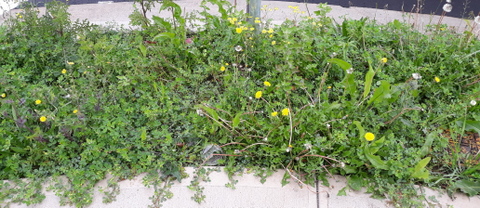
A selection of wild herbs (some edible, some not) growing beside a footpath near our house
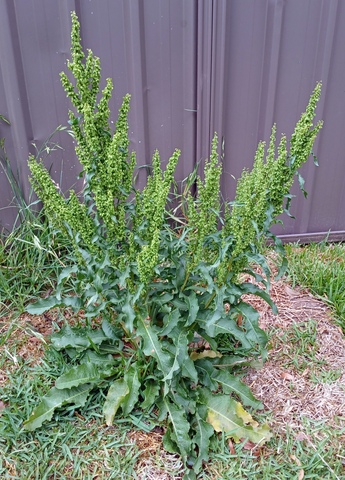
One large dock plant (patient dock or rumex patientia in this case) can provide a good feed
2.Parts of food plants not usually consumed this can be leaves of plants where we usually harvest other parts such as the fruit or tuber, like the leaves of the choko, sweet potato, grape and mulberry. It can also include parts of a fruit or vegetable that we don’t normally consume like the stem of a broccoli or cauliflower, leaves of the carrot or beetroot, skin of the onion, squash/pumpkin flowers or the blossom of the banana.
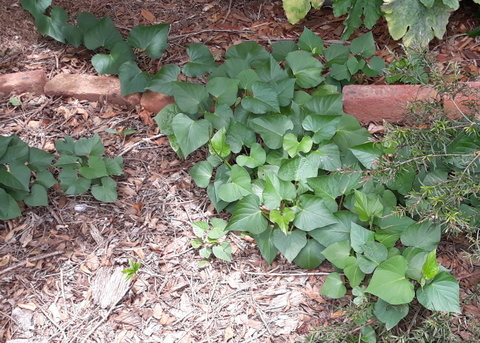
Sweet potato leaves
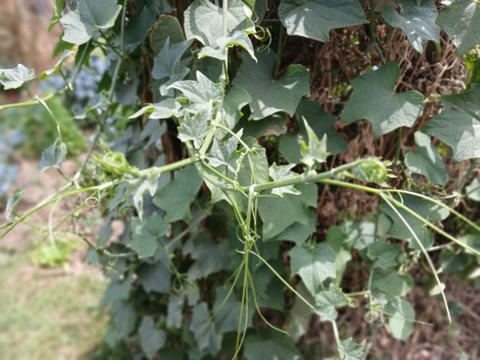
Choko leaves and tendrils (yum yum!)
3.Edible native plants not usually consumed, that is to say, bush tucker. We do grow some of our own, simple stuff like lilly pilly, macadamias and warrigal greens although these tend to be more recognisable as food. We also grow Queesnland arrowroot , which is not the tastiest root vegetable I ave ever eaten, it is still nevertheless edible and would qualify as a famine food. We don’t have a lot of natural bush around here, living in suburbia as we do, but it may be worth scouting out your local area to see if anything is available. If you have access to any First Nations people, it would be worth having a chat to them.
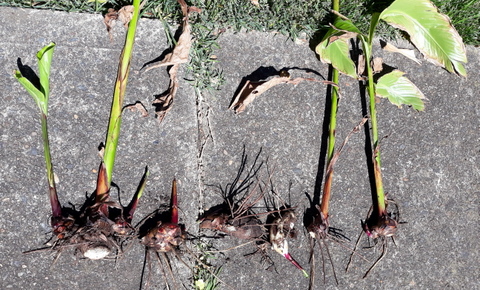
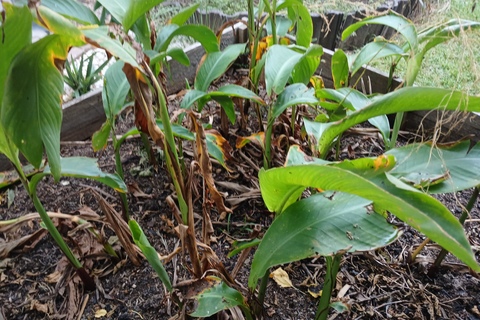
Queensland arrowroot
4.Edible flowers, there are lots of ornamentals out there that have flowers which are edible, and that not a lot of people know about. Some of them include calendula chrysanthemums, cornflower, cosmos, daylilies, dianthus, hibiscus, jasmine, marigolds, pansies, tuberous begonias, tulips, violets and violas.
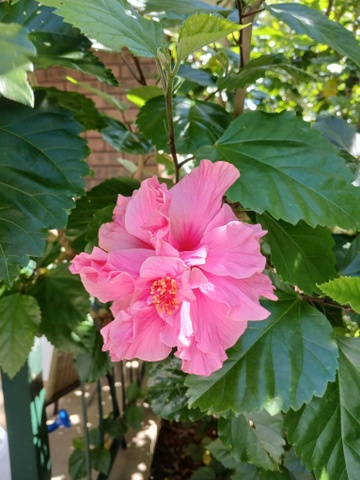
Our hibiscus, providing morning shade for the front patio
5.Insects and molluscs and crustaceans, I understand that there is an ‘ick’ factor when we talk about insects and gastropods (snails and slugs) as food. Also, in terms of crustaceans I am thinking of slaters (pill bugs) not crabs etc. which are normal human food. I personally have eaten crickets and meal worms as well as snails (French and Chinese style) and found them all to be reasonably palatable. Knowing and practicing techniques such as how to purge snails prior to preparing them to eat can be important too, because they can eat things that are toxic to us.
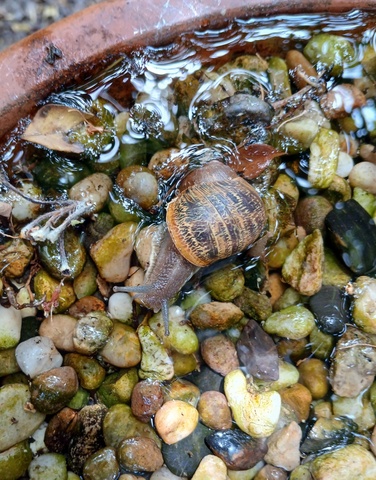
Not pests, livestock!
6.Fungi when thinking about consuming foraged fungi I can’t help but remember the quote from Terry Pratchett: “All fungi are edible, some fungi are only edible once”. I also have no intention of making beef wellington! If you have access to an expert or definitive books on identifying fungi in your area it might be worth checking out what is available. Personally, I know that the small white, round puffballs we get around here are edible but that is the extent of my knowledge, so I have a gap there to be filled!
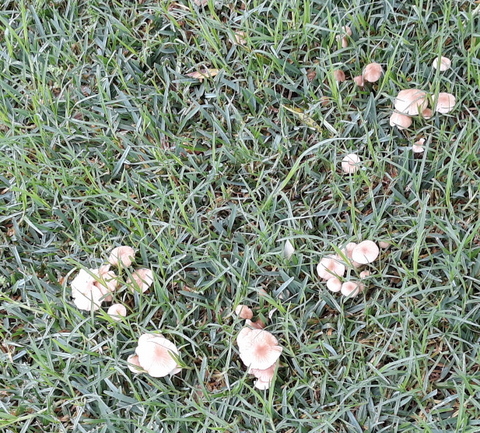
Partial fairy ring of mushrooms in our front yard after rain (Don't know about edibility)
Points to Ponder
If you are interested in the concept of ‘Famine Foods’ there are some points worth considering:
1. With any foraged food, identification is key. It is worth connecting with people who know about your target famine foods and how they can be distinguished from other possibly less palatable or more toxic species. Years ago when driving around near our place I noticed masses of a plant along the roadside which I thought were wild fennel, but on closer inspection I found them to be highly toxic hemlock. So, yeah, identification is key, and don’t get me started on fungi!!!
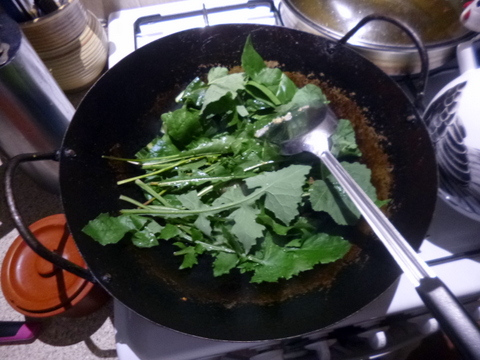
2. Do your research before you need to. This includes not only identification but also how the famine foods are prepared and cooked and the sorts of recipes they go in to make them palatable. When I started experimenting with weeds (wild herbs) and include them in our diet I discovered a recipe (available here) that reduced the bitter taste that some of them can have, making them quite tasty. Having to eat unpalatable food can keep you going in a pinch but is not great for morale.
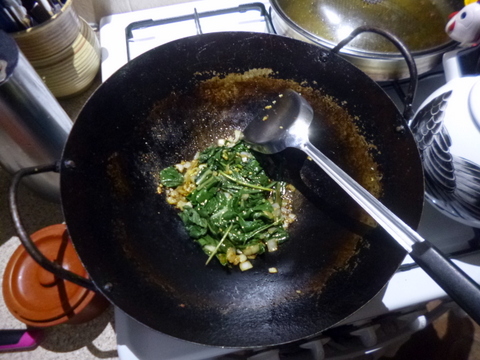
3. Pesticides or herbicides - These can be an issue for foraged foods such as weeds, insects or edible flowers. It is worthwhile checking out any areas where you intend to forage to see if anyone, such as the landowner or local council may have applied toxins to control insects or plants. If they are foraged from your land hopefully you will know the history and be able to forage safely.
4. Start small and see how your body reacts – When trying new foods particularly some of the weird stuff that I have advocated above, it is worthwhile not only trying them before you need to rely on them, but to start small. There are all sorts of allergies and things out there so when trying something new, only consume small amounts to start and then keep an eye out for any unusual symptoms before increasing their presence in your diet. So far I have been OK, but you never know!
At the risk of being receptive I will say that the time to start researching, tasting and developing recipes to suit famine foods is now, while there is still time. There is also a side benefit, that learning to find and use these foods now can reduce your food costs, without the pressure of having to do it. Give it some thought, discuss it with your family and have a go!