
Suburban chook keeping has a long history in Australia and while there are lots of things that chooks provide (see here), there also other advantages to keeping your own chooks in the ‘burbs. Having said that, as with anything, there can be a downside to the suburban chook keeping experience. In my experience, the advantages far outweigh the disadvantages by far, but it is still worth being aware of such disadvantages so you can minimise their impact.
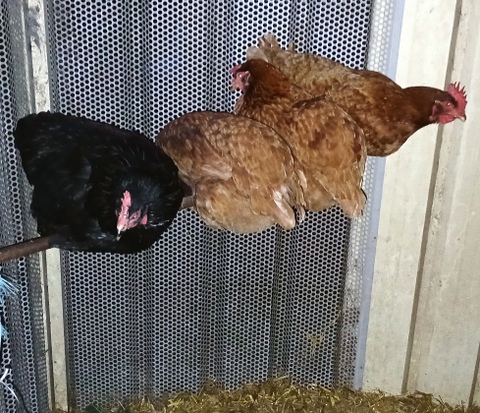
But first, the advantages!
Advantages
- Natural pest control: Chooks can help control pests in a confined suburban yard or garden, providing a natural and effective alternative to chemical treatments. If you are not growing tasty veggies that the chooks mistake for treats, or they are well fenced, your chooks can free range your yard and clean up snails, slugs and other invertebrate treats. The other way is to, like us, provide a regular change of scenery with a chook tractor.
- Educational opportunities: Keeping chooks in a suburban environment can educate family and neighbours about agriculture and food sources. There is nothing quite so informative as the kids being shown that their breakfast eggs don’t come out of a carton, they come out of a chooks bum. This information alone can be a conversation starter in many different situations!
- Food waste reduction: Chooks can help by eating kitchen scraps, reducing food waste going to landfill. Food waste can also be a chook treat and reduce the costs of providing food for your chooks. You need to be aware of salt content (if any) in cooked food plus onions, anything mouldy and green potatoes or green potato peels. Most peelings, fruit cores and other uneaten foods can make for very happy chooks!
- Sustainable food production: They provide a fresh supply of eggs from home, contributing to a more sustainable lifestyle. While people discuss the distance our food must travel to get to us in terms of ‘food miles’ (or food kilometres) and the consequent environmental impact, being able to walk a few metres into your back yard and collect fresh eggs is a great choice for a more sustainable lifestyle.
- Community connection: If you have neighbours who are interested, suburban chooks can encourage interaction and connection with neighbours, fostering a shared interest in backyard chooks.
- Free Lawn Mowing: If you free range your chooks they will keep your lawn trimmed back, perhaps not as evenly as a lawnmower but they will consume quite a bit of grass and leave little bundles of fertiliser in return.
- Healthier Eggs: This is US research, but I expect there would be similar findings in Aus. In 2009 the Mother Earth News released findings on some research they had done on eggs from pastured chooks vs cage chooks. What they found was the pastured chook eggs had –
o 1/3 less cholesterol
o 1/4 less saturated fat
o 2/3 more vitamin A
o Two times more omega-3 fatty acids
o Three times more vitamin E
o Seven times more beta carotene
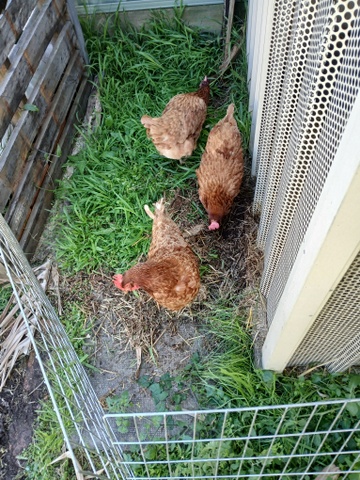
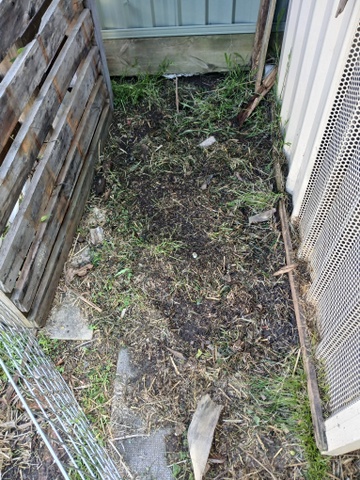
OK, maybe I should have moved them on a bit sooner!
Disadvantages
- Regulatory Restrictions: You should comply with any local council, which may limit the number of chooks, require specific coop placement and put bans on roosters. You should check your local council for any restrictions in force in your area, they should be available on the council website.
Some examples of council restrictions include –
- No roosters (this is common in most urban and suburban council areas)
- Maximum 5 to 10 chooks
- You must manage odour, noise & pests, this will also assist with you maintaining the social license.
- The poultry shed must be paved and/or 4.5m from your dwelling
- The poultry yard must be enclosed & cleaned regularly
Having said that, the council is unlikely to come looking for you unless there is a reason.
- Neighbour Disputes: This is the most likely reason for the council to get involved. If you don’t get along with your neighbours they might complain about noise (crowing, clucking, squawking) or odour, to the council directly. That is why it is so important to remain on good terms where possible, with the odd bribe of a dozen eggs or to smooth over any ‘ruffled feathers’. So, this is where the ‘social license’ comes in (as opposed to the ‘legal license’) and how actively developing community in your area and working positively with your neighbours can pay off by allowing you to fly under the radar.
- Predator Risk: Suburban predators include neighbourhood dogs, cats, rats, and possibly even foxes, posing a significant threat to your flock if not adequately protected. Years ago we had one of our chooks despatched by a large dog staying with us (he was just playing!) and one of our own dogs, who we thought got on OK with the chooks did the same thing. We also know of others who kept dogs that regarded the chooks they lived with as food rather than siblings! When putting your chook accommodation together it is important to include the possibility of predator incursion, especially if the chooks will be living alongside a dog or dogs.
- Fencing & Containment: You must invest in sufficient fencing to prevent your flock from wandering off your property and damaging neighbours’ gardens or getting hurt on roads. We have had the odd escapee over the years when we still had an open run, mainly over the back fence and into a neighbour’s yard, from which they could easily be recovered. We also found that if we clipped one of the chooks wings when we first got them, they would tend to assume they couldn’t fly even after the feathers grew back fully after the next moult.
- Space & Environmental Limitations: Smaller suburban lots will limit any free-ranging, potentially confining chooks to their coop for extended periods, especially during bad weather, and can make effective odour management and sanitation more challenging.
- Lack of Specialized Veterinary Care: Veterinarians in suburban areas are often not specialized in treating chooks, making it difficult to find appropriate veterinary care if your birds get sick or injured. That is certainly the case around here, and if your chook needs medical care, it might need transport into a more countrified area. It can also get expensive, hence the amount of DIY veterinary information on the internet.
- Bird Flu’: While this has caused some chaos for commercial egg producers in parts of the country, it is less likely to rear its ugly head in a small back yard flock. In any case the are precautions that should be taken covered here.
.jpg)
It doesn't need to be a huge dog to prey on chooks