
In the best of all possible worlds, we would be so efficient that there would not be such a thing as ‘food waste’ or even ‘leftovers’ but nobody is perfect and life isn’t like that, so having some strategies to make use of food waste when it does occur is handy and strategies for dealing with food waste are what this article is about.
Part 1 Love Your Leftovers
Strategy One – Track Your Leftovers
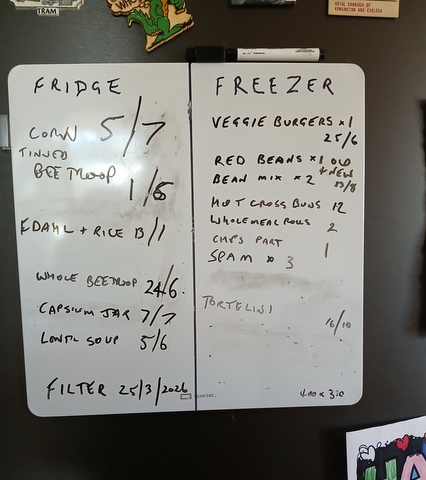
I don’t know about your place, but around here I would put leftovers in the fridge with the best of intentions, only to find them in the back of the fridge, covered in grey fuzz two weeks later. One way to get around this is to put in a system to keep track of your leftovers, and this may be as simple as creating a section of your fridge labelled ‘Eat Me First’. I found the best way that worked for us was to have a small whiteboard attached to the fridge (and freezer) where I could write down any leftovers and the date they were placed in the fridge. For more detail on this approach, check out the article here.
Strategy Two – Store Them Correctly
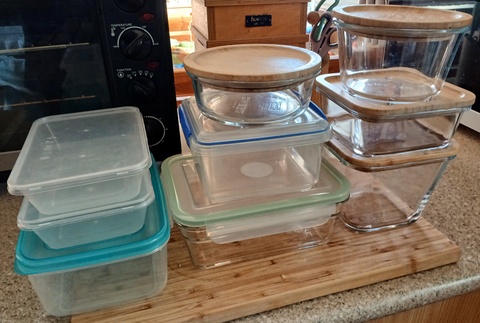
Leftovers, stored on the plate they were originally eaten from, even when placed directly in the fridge can dry out and go limp or soggy overnight. I am not a fan of using Glad wrap or other plastic single use film to prevent this, although it is one way. To me it is preferable to use something reusable like beeswax wraps or even better, to repackage the leftovers in a resealable glass or plastic container. This will ensure they stay in the best condition for the longest time.
Strategy Three – Explore Different Ways to Use Them
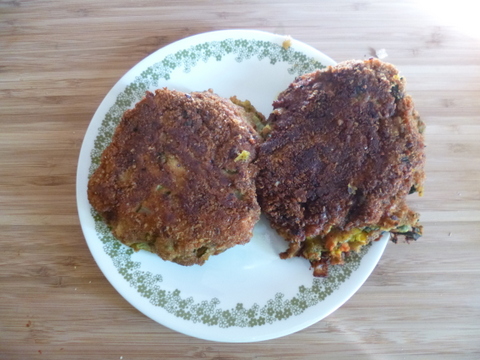
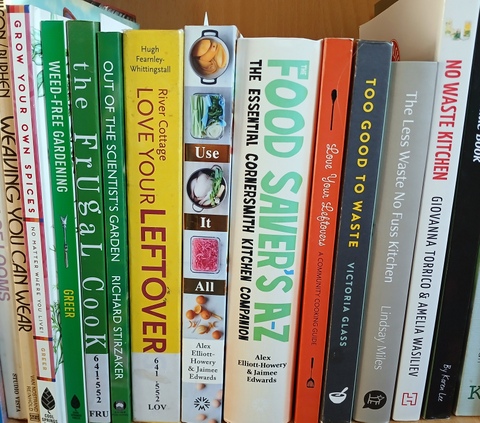
Some leftover foods can be refrigerated for a couple of days, reheated then eaten as is (like fried rice), but others will be more enticing if built into a different meal. It will also give you a chance to use your creativity. Back in the day when we consumed more meat, I would make what I used to call a ‘Three-Day Roast’. The first day would be the roast dinner, the second day I would slice and batter some of the leftover roast and fry the slices to make ‘meat fritters’, the next day any remaining meat would be diced, combined with vegetables and spices and cooked up into a curry dish. Another of my favourite dishes to make is my ‘World Famous Veggie Patties’ which are based on leftover mashed potato. There are whole books written on using up leftovers, do a bit of research and see what works for you!
Strategy Four – Get Creative in the Kitchen
Cucumbers that are looking a little sad can be sliced and pickled in salt, vinegar, and a little chili. Boil up old carrots, celery sticks, and onions to make a flavourful veggie stock, or add the bones of a rotisserie chook to make chicken stock. Bananas whose skin has turned brown and are not looking that inviting can be turned into muffins or blended with your preferred milk for a delicious smoothie. Leftover greens and salad can be given a second chance by stir-frying them with rice, garlic, soy sauce, and egg or tofu. The possibilities are endless.
Part 2 When all else Fails: Disposal
When leftovers or other food waste is not suitable for consumption, such as the grey furry leftovers mentioned above, there are other options for disposal rather than sending them to landfill.
Strategy One - FOGO
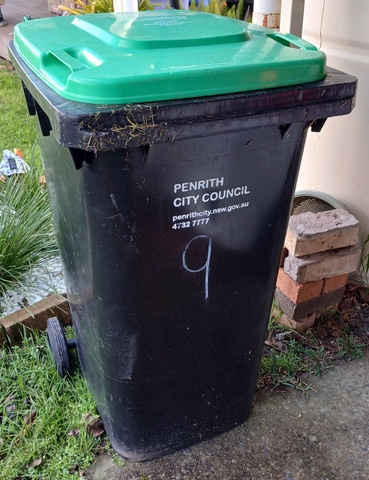
This perhaps the easiest way to dispose of food waste, if it is provided by your local council. The FOGO (Food Organics and Garden Organics) bin is the green bin, usually picked up on a weekly basis and professionally hot composted for use on farms and parks, but may also be available in bags from the council. Food waste that can go into the green bin includes vegetable and fruit scraps, meat, bones, dairy, bread, and seafood, but if in doubt, check your local council website. If your council does not offer a FOGO collection service, contact them and ask why not!
Strategy Two – Home Composting
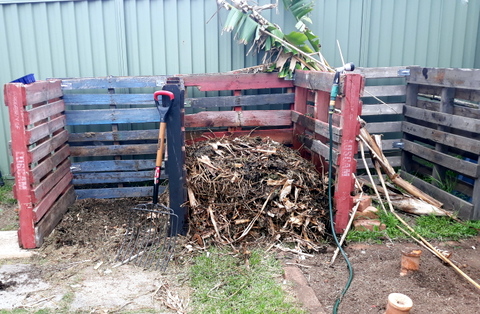
There are a whole stack of options for home composting from small bins provided by your council, compost tumblers, or just burying the compostables in a trench. We use the tried-and-true three bin method and find it works for us, but not everyone has the space. To get the best out of your compost, it is important to know how composting works and that is a bit beyond the scope of this article, but you can find out more here, or get hold of one of the suggested books referred to here and here. Generally, it is best to leave meat, fish, dairy, oils and any diseased plants out of your compost because they can attract rodents, create foul odours, or introduce harmful pathogens and toxins to your soil.
Strategy Two Point One - Bokashi
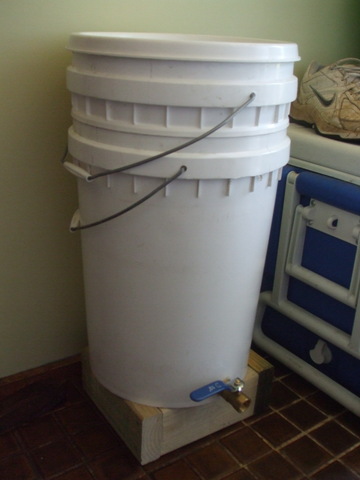
If you don’t have a lot of room, have large amounts of compostable material and/or wish to compost some of the ‘leave out’, list above, bokashi composting may be for you. The composting can be done in a small 20 litre enclosed container and is anaerobic, so the bokashi bin is sealed, meaning there are no smells if you compost indoors. Bokashi does have an odour of its own but if you are like me and don’t find it offensive there will be no problem, otherwise just open the bin outside. Also you can add small meat scraps and fish bones to your bokashi composter, but leave out any liquids like milk and oil or large thick bones that will be beyond the capacity of the Bokashi bin to handle. For how to make and operate your own bokashi bin check out the article here.
Strategy Three – Feed it to Animals
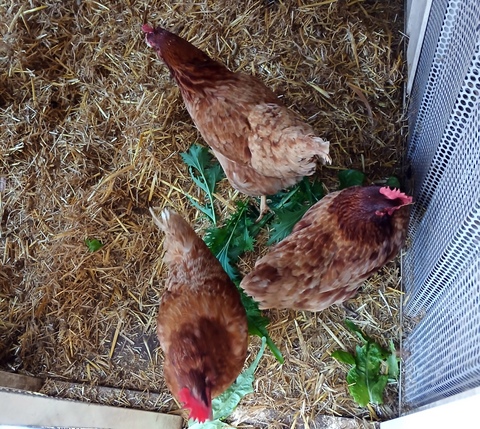
While some food scraps can be fed to chooks or other poultry this does not apply to the grey fuzzy leftovers referred to above. As a general rule, don’t feed any food scraps to your chooks that you wouldn’t be game to touch. Specifically don’t feed them mouldy, spoiled, or highly processed food, raw/dried beans, chocolate, caffeine, or alcohol, and avoid avocado skins/pits, alliums (onions, garlic), rhubarb leaves, citrus peels, and raw or green potatoes/peels, which contain harmful toxins.
Strategy Three Point One – Feed it to Worms
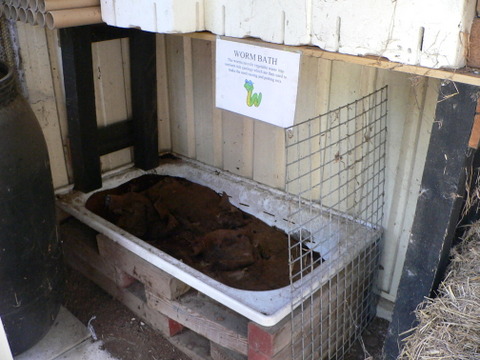
Worms can be kept in a standard worm farm, a worm bath like we have or a worm tower or two in the garden. Worms will accept most scraps with the exception of: Meat, fish, and bones, dairy products, oils, fats, and greasy sauces, alliums (onions, garlic, and leeks), citrus fruits and peels (lemons, limes, oranges), spicy foods (chili peppers) and heavily processed or salty foods. Although a friend of mine has had success with blending small amounts of citrus peel to break them down and including it in their worm feed. Personally, any scraps I give to our worms I freeze first to start the breakdown process, thaw them fully, and give them to the worms.
Strategy Four – Share the Love
If you save your scraps but find it difficult to process, dispose of them sustainably by yourself, consider sharing food scraps for composting with neighbours, community gardens, and local businesses. To help you, there is an app called Peels that diverts organic waste away from landfill by forming a local network between people with food scraps to those who compost it. Also consider your local Permaculture group, and if there are any local Facebook or WhatsApp groups.
Using the above strategies, you can do your bit to keep food scraps out of landfill, thereby reducing the filling up of our landfill sites and also the production of methane, a potent greenhouse gas (Per unit of mass, the warming effect of methane is 80 to 86 times stronger than CO2 in the first 20 years).