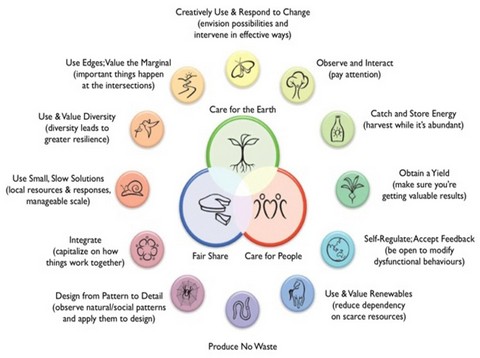
In the words of David Holmgren in his book ‘Permaculture Principles and Pathways Beyond Sustainability’: “Ethics are the moral principles that are used to guide action toward good and right outcomes and away from bad and wrong outcomes”. In other words, permaculture ethics are the foundational moral compass or the ‘why’ we carry out permaculture related actions, as opposed to the permaculture principles which are the underpinning of practical, actionable techniques used to achieve permaculture outcomes, or the ‘how’ of what we do.
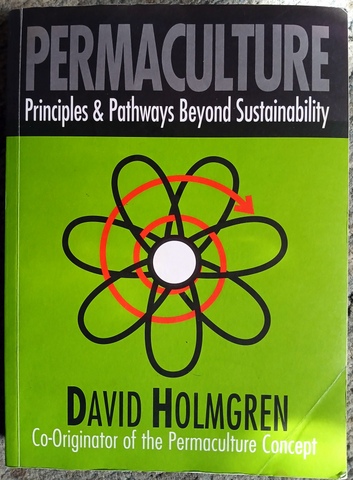
Again, drawing from ‘Permaculture Principles and Pathways’, the three permaculture ethics are:
- Care for the earth,
- Care for people, and
- Set limits to consumption and reproduction, and redistribute surplus.
These ethics have been summarised by people with greater expertise than my own into the following six words:
- Earth Care (EC)
- People Care (PC)
- Fair Share (FS)
Earth Care: We support living systems where we can, allowing them to continue and multiply. We work with nature rather than against it—rebuilding soil health, harvesting rainwater, reducing energy usage and waste production, supporting biodiversity, and opposing habitat destruction.
People Care: We support systems that allow people access to the resources necessary them to live well, beginning with our own self-reliance and personal well-being, expanding outward to build strong, resilient and sustainable families, neighbourhoods, and local communities.
Fair Share: We share our surplus time, information, and resources freely with those in our communities: local, regional and online.
Over the years the plans we have put together and implemented in an attempt to put into practice the thoughts behind these ethics have shaped our lifestyle in ways we could not have predicted. Listed below are some of the aspects of our lives that been influenced by the ethics alone and in combination. This is not the end of the road; it is a continuing journey which I expect to go on for the rest of our lives.
Food (EC, PC, FS)
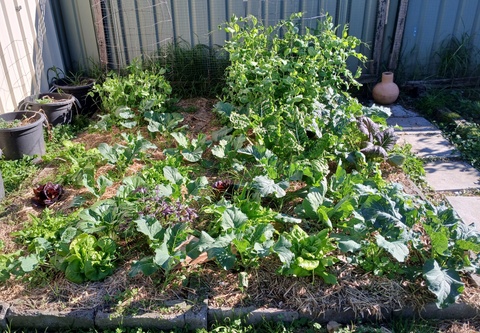
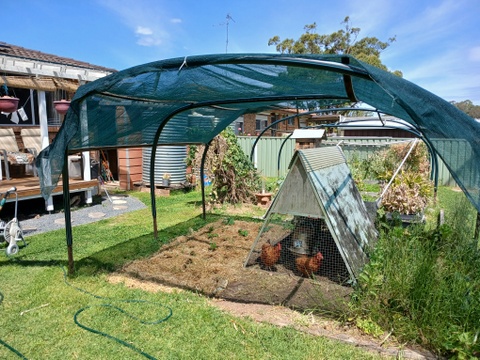
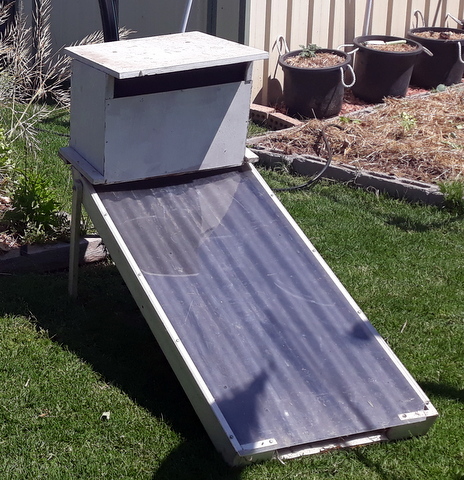
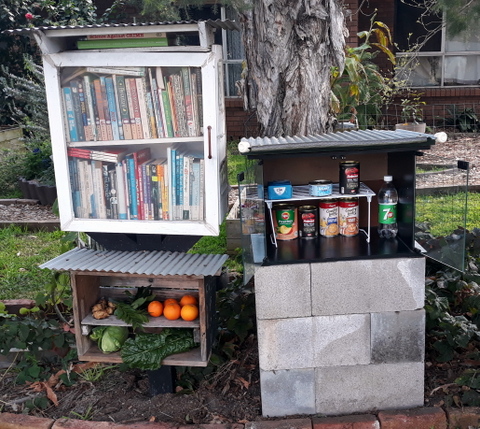
We grow a variable percentage of fruit, vegetables, herbs and eggs all year round using organic techniques and permaculture principles and are starting research into regenerative methods that are suitable for small scale/backyard growing. We manage the soil we use to grow our food by fertilising using the chook tractor, compost and other amendments such as rock dust and wood ash where required. We do some food preserving, usually dehydrating with a solar dehydrator or canning. Excess produce is shared with friends and family as well as being provided for anybody who wants it through a street pantry at the front of our property.
Energy (EC, PC)
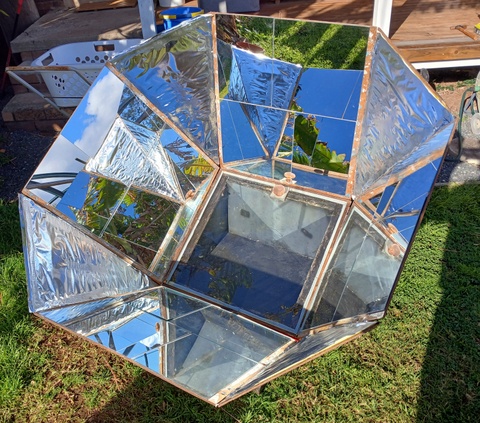
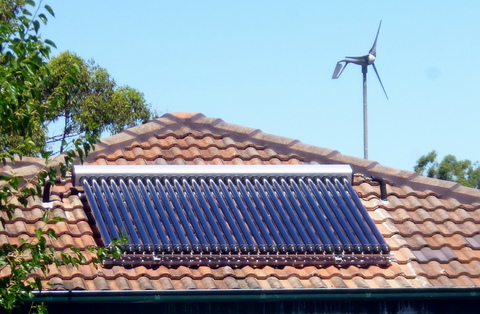
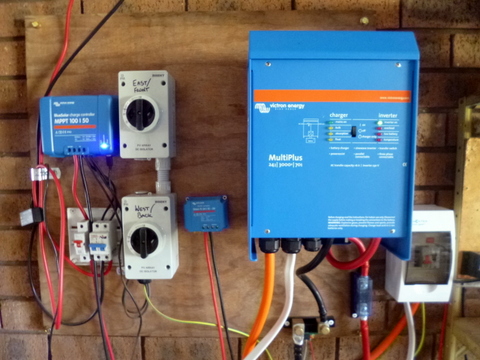
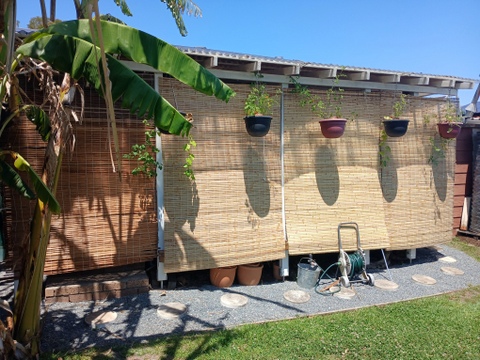
We have worked on reducing our energy consumption with the consequent reduction in GHG production on our behalf by the companies that retail energy and we produce as much renewable energy as we can, keeping us off grid much of the time.. We monitor our energy use, have conducted energy audits and put in processes and procedures to support our reduction in energy usage. This includes efficient cooking methods like cooking with stored heat, solar cooking and using a wok with our rocket stove. Water is heated using a solar water heater with reticulated electricity as backup when needed. Warmth is provided in winter using layered clothing, upgraded insulation and a wood heater which also allows us to cook and provides ash to maintain soil fertility. We keep cool in summer by surrounding the house with trees and structures to reduce the impact of heat on the house, and us.
Water (EC, FS)
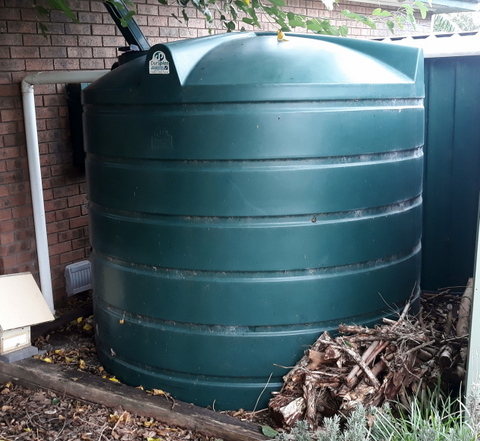
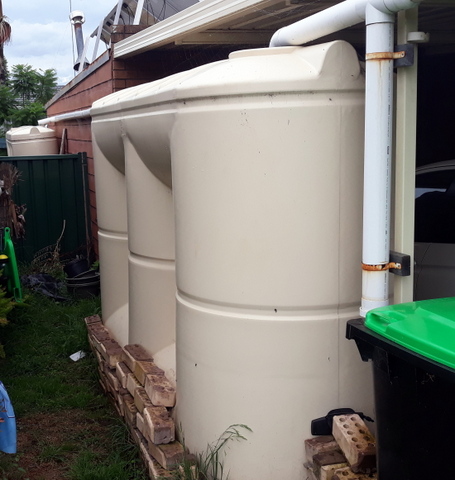
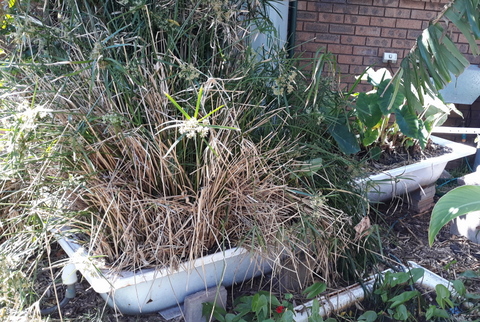
While we are connected to the reticulated water supply, we use it efficiently with our current usage rate per person being 30% to 50% less than the standard household water consumption for our area. We store 18,000 litres of rainwater which is mainly used for food growing but also has some use inside the house. We are set up for water efficient irrigation including techniques such as ollas and deep pipe watering. Greywater is reused to water perennial food plants either directly or through a constructed wetland to provide a level of purification. Rather than being sent through the wastewater system, water from tank overflows and roof catchment is returned to ground water via rain gardens, permeable path and drainage chimney.
Waste (EC, PC, FS)
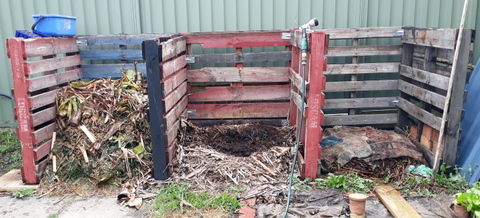
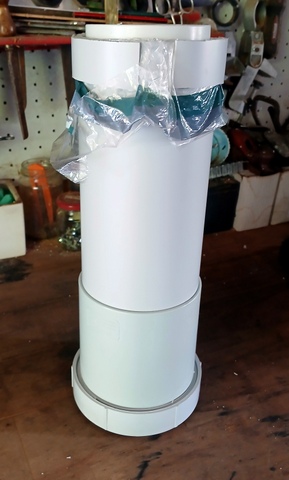
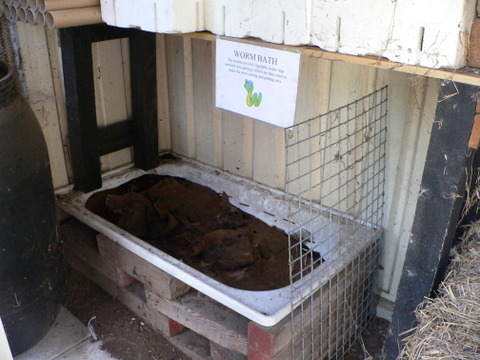
All food and other organic waste is composted, given to worms or fed to the chooks. Any items found to be excess to our needs is donated to charity shops or provided as part of the ‘recycle roundabout at PSW meetings. Recyclables such as glass, metal, paper or plastics are collected via the council recycle bit, provided to specific recycling services such as soft plastics, mattresses and building materials or taken to our local community recycling centre (CRC). We do have a small (140 litre) general waste bin provided by the council which is rarely more than half full.
Community (PC, FS)
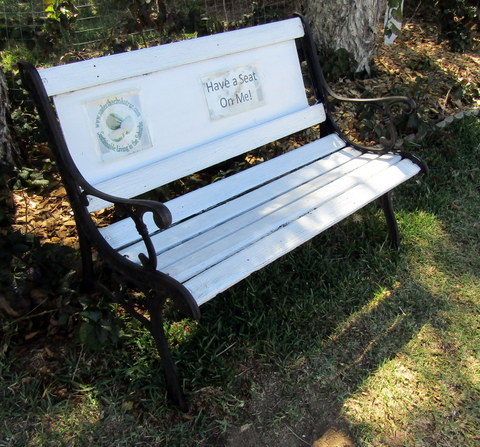
We provide a community bench at the front of our property for those walking past to sit on and in the same area we provide a street pantry which we refill with pantry staples twice a week, a fruit and vegetable pantry where we provide excess fruit, vegetables, herbs and eggs and a street library that we top up with new books when required. We are members of our local permaculture group, and I did run a St Clair sustainability group for some years but it did not survive Covid. I am a member of a number of online permaculture related groups and our website provides information on living sustainably in the suburbs including many eBooks, all free of charge.
Biodiversity (EC, PC)
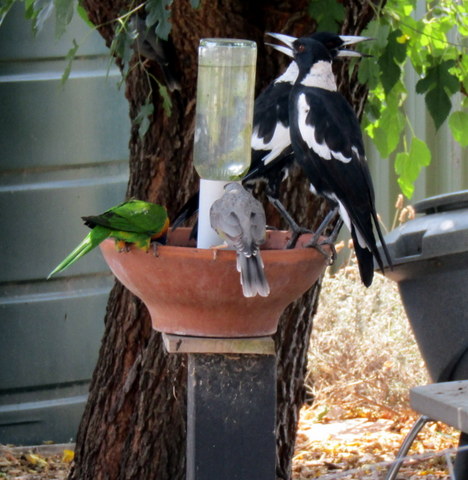
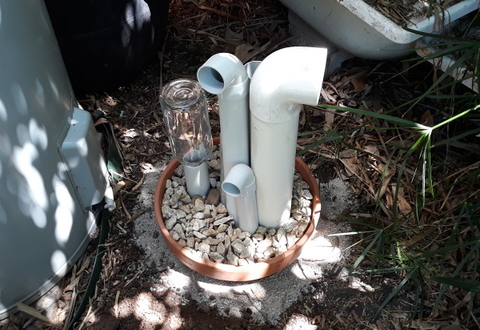
We encourage local biodiversity by such techniques as allowing vegetables to flower (which also provides more vegetable by self-sowing and seed saving), planting areas with insectary flowers as well as growing flowering native trees and shrubs. We have designed and built insect and bird watering stations that refill themselves from a glass bottles included in the design. We also provide accommodation for beneficial insects such as predators and pollinators and other species using structures such as bug and frog hotels, microbat boxes and gabions for lizards. We also have two productive water gardens that provide habitat for dragon flies and other insects.
Obviously, there is considerable overlap between the ethics that underpin these and other actions we carry out to allow ourselves and others to live more sustainably and resiliently.